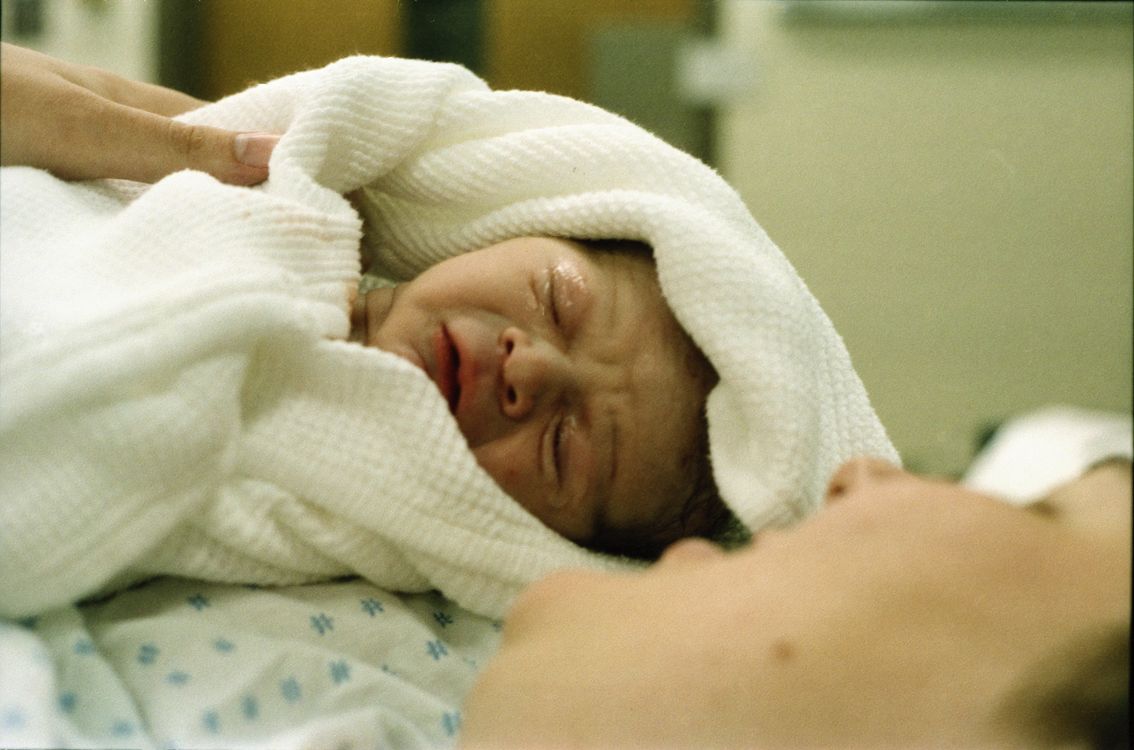
Evidence-based, parent-tested. References guidelines from the AAP, CDC, and WHO.
Informational only, not medical advice. Always consult your pediatrician about your baby's specific needs.
Bringing your newborn home is one of life’s most magical moments — and one of the most exhausting. Newborns sleep a lot, but rarely in the long stretches parents dream of. Understanding your baby’s sleep patterns from day one can help you survive the first few months and lay the groundwork for healthy sleep habits. According to the American Academy of Pediatrics (AAP), safe sleep practices are the single most important factor in reducing the risk of sleep-related infant deaths.
📌 Key Takeaway: Newborns sleep 14–17 hours per day in short bursts of 2–4 hours. Day-night confusion is normal and typically resolves by 6–8 weeks. Following the ABCs of safe sleep — Alone, on their Back, in a Crib — is the most critical thing you can do for your baby’s safety.
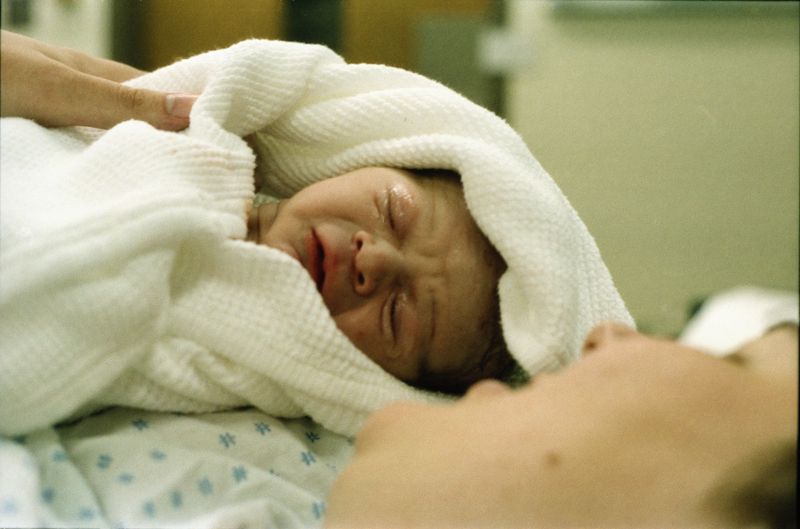
How Much Do Newborns Sleep?
Newborns (0–3 months) sleep between 14 and 17 hours per day, according to the National Sleep Foundation. However, this sleep is broken into short cycles of 2–4 hours because their tiny stomachs need frequent feedings — especially breastfed babies who may need to eat every 1.5–3 hours.
Newborn Sleep by Week
| Age | Total Sleep (24 hrs) | Longest Stretch | Wake Windows | Night Feedings |
|---|---|---|---|---|
| Week 1 | 16–18 hours | 2–3 hours | 30–45 min | Every 2–3 hours |
| Weeks 2–4 | 15–17 hours | 3–4 hours | 45–60 min | Every 2–3 hours |
| Weeks 5–8 | 14–16 hours | 4–5 hours | 60–75 min | Every 3–4 hours |
| Weeks 9–12 | 14–16 hours | 5–6 hours | 75–90 min | 2–3 times |
💡 Tip: Don’t watch the clock obsessively. Instead, watch your baby for sleep cues (yawning, eye-rubbing, fussiness). Every baby is different, and these ranges are guidelines, not rules.
Understanding Day-Night Confusion
One of the most frustrating newborn sleep challenges is day-night confusion. In the womb, your baby was lulled to sleep by your daytime movements and became active when you were still at night. After birth, it takes time for their circadian rhythm to develop.
How to Fix Day-Night Confusion
Day-night confusion typically resolves on its own by 6–8 weeks, but you can help speed the process:
- Expose baby to natural light during the day. Open curtains, go for walks, and keep the house bright during waking hours.
- Keep daytime feeds social and stimulating. Talk to your baby, make eye contact, and keep lights on.
- Make nighttime feeds boring. Keep lights dim, avoid talking or playing, and put baby right back down.
- Establish a simple bedtime routine by 3–4 weeks. Even a short sequence of bath, pajamas, feeding, and song helps signal nighttime.
- Don’t let daytime naps exceed 2 hours. Gently wake your baby to feed and get some light exposure.
📊 Key Data: Research published in the journal Sleep Medicine Reviews found that newborns begin producing melatonin around 6–8 weeks of age, which is when most babies start consolidating nighttime sleep.
The ABCs of Safe Sleep
The AAP updated its safe sleep guidelines in 2022, and every new parent needs to know them. The ABCs are the simplest way to remember:
- A — Alone: Baby should sleep alone, without blankets, pillows, stuffed animals, or bumper pads.
- B — Back: Always place baby on their back for every sleep, including naps.
- C — Crib: Use a firm, flat sleep surface — a crib, bassinet, or play yard that meets CPSC safety standards.
Safe Sleep Checklist
| Safe | Not Safe |
|---|---|
| Firm, flat mattress | Soft mattress, pillow-top, or memory foam |
| Fitted sheet only | Loose blankets, quilts, or comforters |
| Empty crib | Stuffed animals, bumper pads, or pillows |
| Baby on back | Baby on stomach or side |
| Room temperature 68–72°F | Overheated room or overdressed baby |
| Room-sharing (AAP recommends 6–12 months) | Bed-sharing (increases SIDS risk) |
| Pacifier at sleep time | Anything attached to pacifier (clips, stuffed animals) |
⚠️ Important: The AAP recommends room-sharing without bed-sharing for at least the first 6 months and ideally up to 12 months. Room-sharing reduces SIDS risk by up to 50%, according to AAP research.
Recognizing Sleep Cues
Missing your newborn’s sleep window is one of the fastest paths to an overtired, fussy baby. Newborns have very short wake windows (45–90 minutes), and learning their cues is essential.
Early Sleep Cues (Act Now)
- Yawning
- Staring off into space
- Slowed movements
- Becoming quiet and still
- Losing interest in toys or people
Late Sleep Cues (You’ve Waited Too Long)
- Rubbing eyes or ears
- Arching back
- Fussiness and irritability
- Crying
- Jerky movements
💡 Tip: If your baby is showing late sleep cues, go straight to a calming hold and dim environment. An overtired baby actually has a harder time falling asleep because of increased cortisol levels.

Swaddling: Your Newborn’s Best Sleep Tool
Swaddling recreates the snug feeling of the womb and helps suppress the Moro (startle) reflex, which is one of the top reasons newborns wake themselves up. The AAP considers swaddling safe when done correctly.
How to Swaddle Safely
- Use a thin, breathable blanket or a purpose-made swaddle sack.
- Place baby face-up with the blanket spread in a diamond shape.
- Tuck baby’s arms snugly but leave hips loose — tight swaddling around the hips can cause hip dysplasia.
- The swaddle should be snug enough that the baby can’t wriggle free (loose blankets are a suffocation risk).
- Stop swaddling once baby shows signs of rolling — usually around 3–4 months.
⚠️ Important: The AAP states that swaddled babies should ALWAYS be placed on their back. A swaddled baby who rolls onto their stomach is at significantly increased risk for SIDS because they cannot use their arms to reposition.
Swaddle Transition Guide
| Sign | What It Means | What to Do |
|---|---|---|
| Breaking out of swaddle | Growing stronger | Try a more secure swaddle or transition product |
| Rolling attempts during play | Getting ready to roll | Begin transitioning immediately |
| Rolling in sleep | Past swaddling stage | Stop swaddling — switch to a sleep sack |
| Age 3–4 months | Typical transition age | Use arms-out swaddle for 3–5 nights, then sleep sack |
Creating the Ideal Sleep Environment
Your baby’s sleep environment can make or break their sleep quality. Here’s how to set up the perfect space:
Temperature
Keep the room between 68–72°F (20–22°C). Overheating is a risk factor for SIDS. Dress your baby in one layer more than what you’re comfortable wearing.
Darkness
Use blackout curtains or shades for naps and nighttime. Darkness triggers melatonin production, which is essential for circadian rhythm development.
Sound
White noise can help newborns sleep by mimicking the constant whooshing sounds they heard in the womb. Keep white noise at around 50–65 decibels — about the volume of a running shower — and place the machine at least 7 feet from baby’s head.
Crib Setup
The only thing in the crib should be a firm mattress with a tightly fitted sheet. No blankets, no pillows, no stuffed animals, no positioners.
Track your baby’s sleep patterns with our Sleep Tracker to identify emerging routines and optimal wake windows.
Building a Newborn Sleep Routine
While you can’t sleep train a newborn (that comes at 4–6 months), you can start building sleep associations and routines from the very first weeks.
Sample Newborn Bedtime Routine (10–15 minutes)
- Dim the lights
- Diaper change and pajamas
- Feeding (breast or bottle)
- One short song or book
- Place in crib drowsy but awake
💡 Tip: “Drowsy but awake” is the gold standard, but it doesn’t work for every newborn. If your baby needs to be fully asleep before being put down in the first 6–8 weeks, that’s normal. Gradually work toward drowsy-but-awake as your baby gets older.
When to Call the Doctor
Most newborn sleep patterns are normal, even if they feel extreme. However, contact your pediatrician if:
- Your baby is sleeping significantly more than 18 hours per day and is difficult to rouse for feedings
- Your baby has not regained birth weight by 2 weeks
- You notice pauses in breathing longer than 10 seconds
- Baby is excessively sweaty during sleep
- Baby’s skin appears blue or pale during sleep
⚠️ Important: This article is for informational purposes only and does not replace professional medical advice. Always consult your pediatrician for concerns about your baby’s sleep or health.
FAQ
How many hours should a newborn sleep in a day?
Newborns typically sleep 14–17 hours in a 24-hour period, according to the National Sleep Foundation. This sleep happens in short bursts of 2–4 hours because newborns need to wake frequently to feed. By 3 months, many babies begin consolidating sleep into longer nighttime stretches of 5–6 hours.
Is it OK to let a newborn sleep 5 hours straight?
For healthy, full-term newborns who have regained their birth weight and are gaining well, a 5-hour stretch at night is usually fine. However, in the first two weeks, most pediatricians recommend waking your baby every 2–3 hours to feed until they’ve regained birth weight. Always check with your doctor.
When should I stop swaddling my baby?
You should stop swaddling when your baby shows signs of rolling over, which typically happens between 3 and 4 months. The AAP warns that a swaddled baby who rolls onto their stomach is at increased risk for suffocation. Transition to a wearable blanket or sleep sack instead.
Why does my newborn only sleep when held?
Newborns are used to the constant warmth, pressure, and motion of the womb. Being held replicates that environment. While this is completely normal, you can gradually transition to independent sleep by swaddling, using white noise, warming the crib sheet briefly before placing baby down, and practicing “drowsy but awake” placement.
💡 Related Resources: Expecting? Visit our sister site pregnancy.chparenting.com for week-by-week pregnancy guides, prenatal nutrition, and labor preparation.
References
- American Academy of Pediatrics (2022). “Safe Sleep Guidelines for Infants.” aap.org
- National Sleep Foundation (2025). “How Much Sleep Do Babies Need?” sleepfoundation.org
- Centers for Disease Control and Prevention (2025). “Sudden Unexpected Infant Death and Sudden Infant Death Syndrome.” cdc.gov
- Mayo Clinic (2026). “Newborn Sleep: Helping Your Baby Sleep Through the Night.” mayoclinic.org
- Healthline (2025). “Newborn Sleep Patterns and Schedule.” healthline.com

Written by
Vega LinFounder & Editor — Mother of 2 (Taiwan)
Vega writes Baby Care Guide from the intersection of evidence-based research (AAP, CDC, WHO) and real parenting experience. Completing her Master's in Digital Innovation at Tunghai University. Read more →
Related articles



Planning baby #2? Visit our pregnancy guide.
Due date calculators, week-by-week tracking, weight gain guides, and expert articles for every trimester of your pregnancy journey.
Visit Pregnancy Guide →