Evidence-based, parent-tested. References guidelines from the AAP, CDC, and WHO.
Informational only, not medical advice. Always consult your pediatrician about your baby's specific needs.
Your baby’s sleep environment is one of the most powerful tools you have for improving sleep quality. The right combination of temperature, darkness, sound, and crib setup can mean the difference between a baby who fights sleep and one who drifts off peacefully. Research from the AAP and the National Sleep Foundation consistently shows that environmental factors play a significant role in both sleep quality and sleep safety.
📌 Key Takeaway: The ideal baby sleep environment is dark, cool (68–72°F), and uses white noise at 50–65 decibels. The crib should contain nothing but a firm mattress with a fitted sheet. Optimizing these four factors — temperature, light, sound, and crib setup — can significantly improve your baby’s sleep.
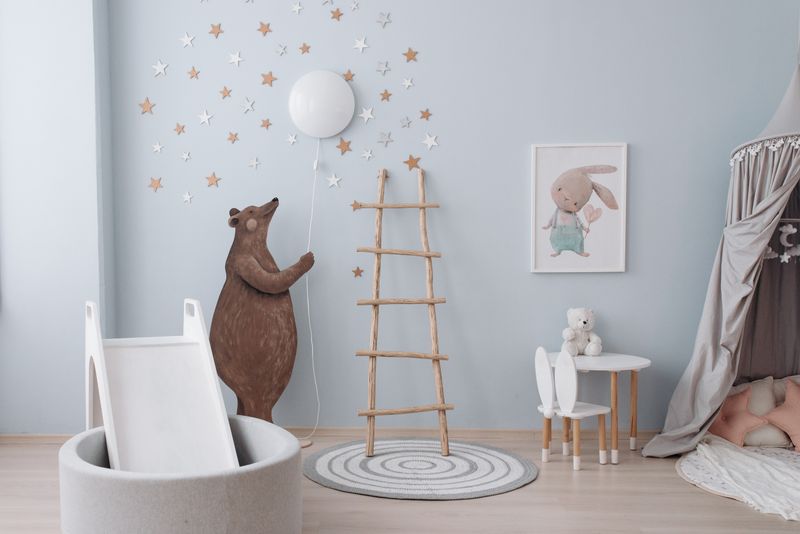
Room Temperature: The Goldilocks Zone
Room temperature is one of the most critical factors for safe, quality sleep. The AAP warns that overheating is a risk factor for SIDS, while a room that’s too cold can wake your baby prematurely.
Ideal Temperature Range
The recommended range is 68–72°F (20–22°C). This applies to both naps and nighttime sleep.
| Temperature | Effect on Sleep | Recommendation |
|---|---|---|
| Below 65°F | Baby may wake from cold, poor sleep quality | Too cold — add a layer or increase heat |
| 65–68°F | Acceptable if baby is dressed warmly | Use a heavier sleep sack (TOG 2.5) |
| 68–72°F | Ideal range for safe, quality sleep | Standard sleep sack (TOG 1.0–2.5) |
| 72–75°F | Slightly warm — risk of overheating | Use a lightweight sleep sack (TOG 0.5–1.0) |
| Above 75°F | Overheating risk — SIDS concern | Use a fan, dress lightly, or just a onesie |
How to Check If Baby Is Too Hot or Cold
Don’t rely on hands or feet — they’re often cool and that’s normal. Instead, check the back of baby’s neck or their chest:
- Too hot: Sweaty, flushed, damp hair, rapid breathing
- Too cold: Cool chest or tummy, mottled skin
- Just right: Warm to the touch, dry skin, calm breathing
💡 Tip: Use a room thermometer in the nursery — don’t guess. Many baby monitors include temperature sensors. Place the thermometer near the crib at baby’s level for the most accurate reading.
Darkness: Why It Matters More Than You Think
Light is the primary driver of your baby’s circadian rhythm. Even small amounts of light can suppress melatonin production and disrupt sleep. For both naps and nighttime, the darker the room, the better.
Light Level Recommendations
| Time of Day | Light Level | How to Achieve |
|---|---|---|
| Morning wake-up | Bright natural light | Open curtains immediately |
| Daytime awake periods | Bright, natural light | Time outdoors, bright rooms |
| Pre-bedtime (30 min before) | Dim, warm light | Dim lamps, no screens |
| Bedtime and nighttime | Complete darkness | Blackout curtains, no night lights |
| Night feeds/diaper changes | Minimal warm light | Small dim red/orange night light |
| Naps | Very dark | Blackout curtains or portable shades |
Blackout Solutions
- Blackout curtains: The most effective permanent solution. Look for curtains with white backing that blocks 99%+ of light.
- Portable blackout shades: Use suction-cup or Velcro shades for travel or rentals.
- Aluminum foil: A free, temporary solution — tape foil directly to the window glass. It blocks 100% of light.
- Blackout stickers: Reusable static-cling window covers that are easy to remove.
📊 Key Data: Research published in the Journal of Clinical Sleep Medicine found that exposure to light in the hours before bedtime significantly suppresses melatonin production in young children, delaying sleep onset by an average of 30 minutes compared to dim-light conditions.
White Noise: Your Secret Weapon
White noise is one of the most effective, evidence-backed tools for improving baby sleep. It works by mimicking the constant whooshing sounds babies hear in the womb (blood flow through the placenta reaches about 80–90 decibels) and by masking sudden environmental noises that can startle a sleeping baby awake.
White Noise Guidelines
| Factor | Recommendation |
|---|---|
| Volume | 50–65 dB (about the volume of a shower) |
| Distance | At least 7 feet from baby’s head |
| Duration | Continuous — all night and full nap |
| Type | Consistent, low-pitch sounds (fan, rain, static) — avoid lullabies or variable sounds |
| Machine vs. app | Dedicated machine preferred (phones emit light and radiation) |
⚠️ Important: The AAP recommends keeping white noise machines at or below 50 decibels for prolonged use. A study in Pediatrics found that some white noise machines, when placed close to the crib and set to maximum volume, exceeded 85 decibels — the level at which hearing damage can occur. Always place the machine far from baby’s ears and use a moderate volume setting.
When to Use White Noise
- During the entire sleep period (naps and nighttime)
- During the bedtime routine to signal sleep is coming
- To mask household noise (siblings, pets, traffic)
- While traveling to maintain consistency
Crib Setup: What Goes In (and What Stays Out)
The AAP’s safe sleep guidelines are clear: the only things that belong in your baby’s crib are a firm mattress and a fitted sheet. Everything else increases the risk of suffocation, entrapment, or SIDS.
What NOT to Put in the Crib
| Item | Why It’s Dangerous |
|---|---|
| Loose blankets | Suffocation risk |
| Pillows | Suffocation and SIDS risk |
| Stuffed animals | Suffocation risk |
| Bumper pads | Suffocation, strangulation, and entrapment risk |
| Sleep positioners/wedges | Recalled by CPSC — suffocation deaths reported |
| Crib tents | Strangulation and entrapment risk |
| Inclined sleepers | Suffocation risk — recalled by CPSC |
Choosing the Right Crib Mattress
- Firmness: Press the center and edges — the mattress should spring back immediately and not indent
- Fit: No more than two finger-widths between mattress and crib frame
- Material: Look for CertiPUR-US or GREENGUARD Gold certification for low chemical emissions
- Waterproof cover: Use a thin, breathable, waterproof mattress protector under the fitted sheet
Sleep Sacks vs. Blankets
Since blankets are not safe in the crib until age 12 months (per AAP guidelines), sleep sacks are the preferred way to keep your baby warm during sleep.
Sleep Sack Selection Guide
| Room Temperature | TOG Rating | What Baby Wears Underneath |
|---|---|---|
| 75°F+ (24°C+) | 0.5 TOG | Diaper only or short-sleeve onesie |
| 72–75°F (22–24°C) | 1.0 TOG | Short-sleeve onesie |
| 68–72°F (20–22°C) | 1.0–2.5 TOG | Long-sleeve onesie or pajamas |
| 65–68°F (18–20°C) | 2.5 TOG | Long-sleeve pajamas |
| Below 65°F (18°C) | 2.5–3.5 TOG | Long-sleeve pajamas with socks |
💡 Tip: TOG stands for “Thermal Overall Grade” and measures the warmth of a fabric. Higher TOG = warmer. Most families need a 1.0 TOG sleep sack for summer and a 2.5 TOG for winter. Having both ensures your baby is comfortable year-round.
Putting It All Together: Environment Checklist
Use this checklist to optimize your baby’s sleep space:
- ✅ Room temperature set to 68–72°F
- ✅ Room thermometer placed near crib height
- ✅ Blackout curtains installed (naps and nighttime)
- ✅ White noise machine placed 7+ feet from crib, set to 50–65 dB
- ✅ Firm, flat crib mattress with tight-fitting sheet
- ✅ Empty crib — no blankets, pillows, toys, or bumpers
- ✅ Appropriate sleep sack based on room temperature
- ✅ Crib in parents’ room for the first 6–12 months
- ✅ No screens or bright lights in the sleep area
- ✅ Dim night light (red/orange) for nighttime feeds only
Track how environmental changes affect your baby’s sleep with our Sleep Tracker.
FAQ
Do I need blackout curtains for naps?
Yes, blackout curtains significantly improve nap quality and duration, especially after 4 months when babies become more aware of their surroundings. Light stimulates wakefulness, and even small amounts can prevent a baby from transitioning between sleep cycles, leading to short 30-minute naps. If blackout curtains aren’t possible, portable shades or even aluminum foil on windows work well.
Is it safe to use a fan in the baby’s room?
Yes. In fact, a study published in the Archives of Pediatrics & Adolescent Medicine found that using a fan in the infant’s room was associated with a 72% reduction in SIDS risk, likely because it improves air circulation and prevents re-breathing of carbon dioxide. Just make sure the fan doesn’t blow directly on baby and doesn’t make the room too cold.
When can I add a pillow or blanket to the crib?
The AAP recommends waiting until at least 12 months for blankets and at least 18–24 months for pillows (toddlers don’t actually need pillows). Even after 12 months, a sleep sack remains the safest option. If you do introduce a blanket, use a small, thin blanket and tuck it firmly under the mattress on three sides.
💡 Related Resources: Expecting? Visit our sister site pregnancy.chparenting.com for week-by-week pregnancy guides, prenatal nutrition, and labor preparation.
References
- American Academy of Pediatrics (2022). “Safe Sleep Guidelines for Infants.” aap.org
- National Sleep Foundation (2025). “Baby Sleep Environment.” sleepfoundation.org
- Centers for Disease Control and Prevention (2025). “Safe Sleep for Babies.” cdc.gov
- Mayo Clinic (2026). “Creating a Safe Sleep Environment.” mayoclinic.org
- Healthline (2025). “Best Room Temperature for Baby Sleep.” healthline.com

Written by
Vega LinFounder & Editor — Mother of 2 (Taiwan)
Vega writes Baby Care Guide from the intersection of evidence-based research (AAP, CDC, WHO) and real parenting experience. Completing her Master's in Digital Innovation at Tunghai University. Read more →
Related articles

Planning baby #2? Visit our pregnancy guide.
Due date calculators, week-by-week tracking, weight gain guides, and expert articles for every trimester of your pregnancy journey.
Visit Pregnancy Guide →