Evidence-based, parent-tested. References guidelines from the AAP, CDC, and WHO.
Informational only, not medical advice. Always consult your pediatrician about your baby's specific needs.
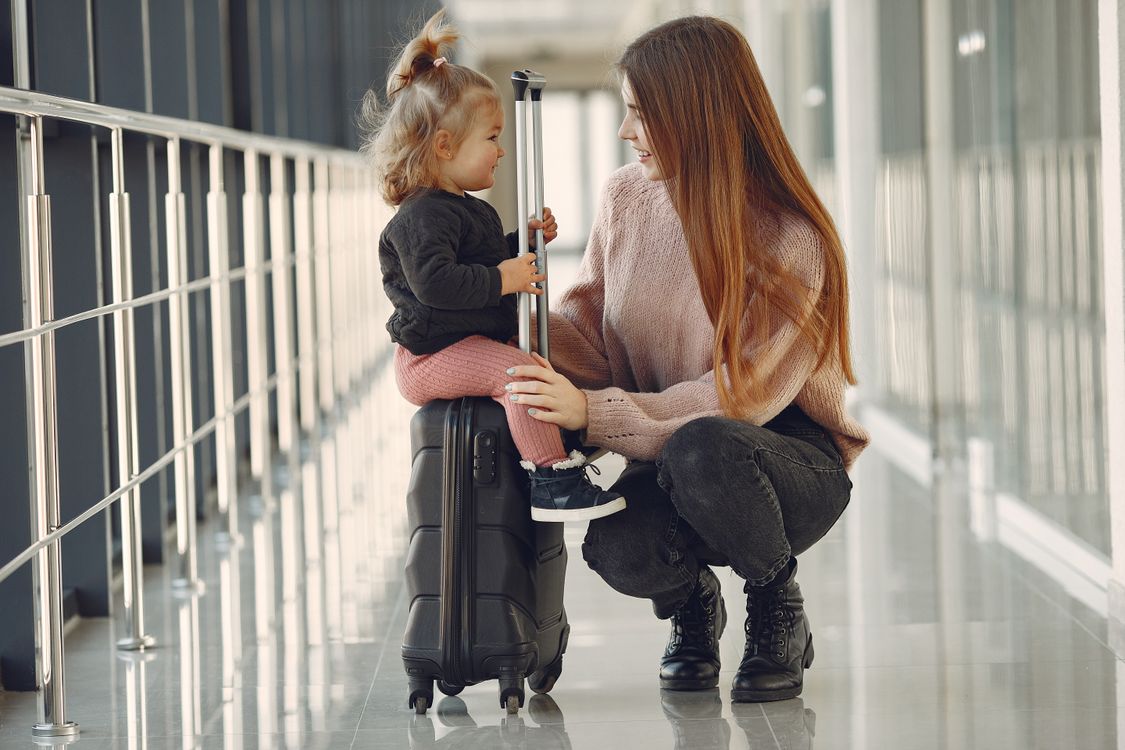
Traveling with a baby might seem daunting, but with the right gear and preparation, it can be a genuinely enjoyable experience. Whether you are planning a weekend trip to grandma’s house, a cross-country road trip, or an international vacation, having the right travel gear makes all the difference. In this comprehensive guide, I will cover every essential piece of baby travel gear and share practical tips for smooth travels with your little one.
📌 Key Takeaway: According to a 2023 CDC report, about 1 in 3 US babies under 1 still wakes at least twice a night. This guide gives you evidence-based, practical guidance you can apply today. For a related deep dive, see our guide on best baby play mats.
Travel Cribs and Pack ‘n Plays
A safe sleep setup is the most critical piece of travel gear. Your baby needs a firm, flat surface that meets current CPSC safety standards wherever you go.
Full-Size Pack ‘n Plays
Full-size pack ‘n plays are the classic travel sleep solution. They fold down for transport and set up quickly, providing a familiar sleep environment away from home.
What to look for:
- CPSC-compliant firm, flat mattress
- Sturdy frame with secure locking mechanisms
- Mesh sides for airflow and visibility
- Carrying bag included
- Easy one-hand fold (some models)
- Weight under 25 pounds for portability
Best for: Car trips, extended stays, everyday use as a secondary sleep space at home
Lightweight Travel Cribs
Lightweight travel cribs prioritize portability above all else. The best options weigh under 15 pounds, fold into a compact package, and fit in a suitcase or carry-on bag.
Key considerations:
- Weight (look for under 15 pounds)
- Folded dimensions (will it fit in your luggage or overhead bin?)
- Setup time (practice at home before your trip)
- Mattress firmness (must be firm and flat; never add extra padding)
- Compatibility with fitted sheets (use only manufacturer-approved sheets)
Best for: Air travel, frequent travelers, international trips
Travel Crib Safety Rules
- Always use the mattress pad that comes with the crib — never substitute a different one
- Do not add blankets, pillows, bumpers, or stuffed animals
- Ensure the crib is fully locked and set up correctly before placing your baby inside
- Place the crib away from windows, cords, and other hazards
- Follow the manufacturer’s weight and age limits
Travel Strollers
A compact, lightweight stroller designed for travel can make navigating airports, city streets, and tourist attractions significantly easier.
Compact Fold Strollers (Overhead Bin Compatible)
The most travel-friendly strollers fold small enough to fit in an airplane overhead bin, eliminating the need to gate-check. This means your stroller is with you the moment you deplane.
Features of the best travel strollers:
- Cabin-approved fold dimensions (typically under 22 x 14 x 9 inches)
- Weight under 15 pounds
- One-hand fold mechanism
- Self-standing when folded
- Reclining seat (for naps on the go)
- Sun canopy with UPF protection
- Adequate storage basket
- Compatible with car seat via adapter (on some models)
Lightweight Umbrella Strollers
Traditional umbrella strollers remain a popular budget-friendly travel option. They are lightweight (under 12 pounds) and fold into a compact tube shape.
Pros: Very affordable, extremely lightweight, simple to use Cons: Minimal recline, small canopy, less comfortable for long days, typically no car seat compatibility
What About Your Full-Size Stroller?
You can bring your full-size stroller on most flights and gate-check it for free. However, gate-checked strollers risk damage from baggage handling. If you bring your primary stroller, consider a stroller travel bag for protection.
Car Seat Travel Bags and Solutions
Whether you are flying or driving, protecting and transporting your car seat requires some planning.
Car Seat Travel Bags
A padded car seat travel bag protects your car seat during air travel. Most airlines allow you to check a car seat for free (it does not count toward your luggage allowance).
Features to look for:
- Heavy-duty, padded material
- Backpack straps for hands-free carrying
- Fits your specific car seat model (check dimensions)
- Extra storage pockets for gate-check tags and accessories
- Water-resistant exterior
Using a Car Seat on the Airplane
The FAA recommends that children under 40 pounds ride in an FAA-approved car seat during flights. While not required (lap infants under 2 can fly without a seat), it is the safest option.
Tips for using a car seat on the plane:
- Purchase a seat for your child (lap infants under 2 fly free on domestic flights but are not as safe)
- Check that your car seat has the FAA-approved label
- Install the car seat in a window seat so it does not block the aisle
- Bring the car seat manual for reference during installation
Portable High Chairs
Feeding your baby while traveling does not have to mean holding them in your lap or relying on questionable restaurant high chairs.
Types of Travel High Chairs
- Hook-on chairs: Clamp to table edges, weigh 3 to 5 pounds, highly portable
- Fabric harness seats: Wrap around any standard dining chair, fold to pocket size
- Inflatable booster seats: Lightweight, easy to clean, good for toddlers
- Pop-up booster seats: Fold flat, include a tray, strap to a chair
Choosing the Right Travel High Chair
| Type | Weight | Best For | Age Range | Price |
|---|---|---|---|---|
| Hook-on | 3-5 lbs | Restaurants, vacation rentals | 6 months - 3 years | $30-$80 |
| Fabric harness | Under 1 lb | Air travel, minimalist packing | 6 months - 3 years | $15-$30 |
| Inflatable booster | 1-2 lbs | Road trips, beach | 12 months - 4 years | $10-$20 |
| Pop-up booster | 2-4 lbs | Weekend trips, grandparents | 9 months - 4 years | $25-$45 |
Travel Sound Machines
If your baby relies on white noise for sleep at home, a portable sound machine is essential for travel. Changes in the sleep environment are one of the biggest challenges of traveling with a baby, and a familiar sound can make a significant difference.
What to look for:
- Compact size (clip-on or pocket-sized)
- Rechargeable battery with at least 8 hours of playback
- Variety of sound options (white noise, fan, nature sounds)
- Adjustable volume
- Clip or attachment mechanism for stroller, crib, or car seat
Travel sound machine tips:
- Start using the sound machine at home before your trip so it becomes part of the sleep association
- Pack a backup charging cable
- Use it during car rides and flights to help baby nap
- Place it between the baby and the source of unfamiliar noise, not right next to baby’s ear
Baby Travel Toiletry Essentials
Pack these toiletry items in a dedicated, clear toiletry bag for easy access and TSA compliance.
Must-have toiletries for travel:
- Diaper cream in a travel-size tube
- Baby sunscreen (SPF 30 or higher, for babies 6 months and older)
- Gentle baby soap/shampoo (travel size)
- Baby lotion or moisturizer
- Saline nose drops
- Infant pain reliever (acetaminophen or ibuprofen, age-appropriate)
- Digital thermometer
- Nail clippers
- Hand sanitizer
- Disposable diaper bags for dirty diapers
- Baby-safe insect repellent (for babies 2 months and older, per CDC guidelines)
Flying with a Baby: Essential Tips
Managing Ear Pressure
Changes in cabin pressure during takeoff and landing can cause ear discomfort in babies, who cannot voluntarily equalize pressure by yawning or swallowing on command.
Strategies to help with ear pressure:
- Nurse or bottle-feed during takeoff and landing. The swallowing motion helps equalize pressure in the ears.
- Offer a pacifier if your baby uses one
- For older babies (6+ months), offer a sippy cup or snack that requires chewing
- Do not let your baby sleep through takeoff and landing if they are prone to ear discomfort
- Consult your pediatrician about using saline drops before the flight if your baby has a cold or congestion
Feeding During the Flight
- Breastfeeding during flights is federally protected. You can nurse anywhere on the plane.
- Pre-make bottles if formula-feeding, or bring pre-measured formula and a bottle of water
- Bring more food and milk than you think you will need (delays happen)
- Pack easy, mess-free snacks for older babies (puffs, teething crackers)
- Request a cup of hot water from the flight attendant to warm bottles
General Flying Tips
- Book flights during nap time when possible
- Choose aisle seats for easy access to the bathroom and walking the aisle
- Bring a new, small toy or book to introduce on the plane
- Pack a complete change of clothes for baby AND yourself in your carry-on
- Arrive at the airport early to allow extra time for security and boarding
- Use family boarding when available
- Bring a lightweight blanket for warmth (planes can be cold)
Road Trip with Baby Tips
Planning the Drive
- Time your departure around nap time or bedtime for longer stretches of peaceful driving
- Plan stops every 1.5 to 2 hours to take baby out of the car seat (the AAP recommends limiting car seat time to prevent positional issues)
- Map out rest stops, parks, and baby-friendly restaurants along your route
- Pack a cooler with pre-made bottles, breast milk, or baby food
Car Seat Safety on Road Trips
- Never exceed 2 hours of continuous car seat time without a break
- Ensure the car seat is properly installed (use the NHTSA car seat inspection locator to find a certified technician)
- Dress baby in thin layers rather than bulky clothing, which can compress in a crash
- No aftermarket car seat accessories (head supports, strap covers) unless approved by the car seat manufacturer
Entertainment and Comfort
- Attach a baby-safe mirror so you can see your rear-facing baby
- Use clip-on toys attached to the car seat handle
- Play music or audiobooks
- Have a designated “car seat bag” of special toys your baby only sees during car rides
- Use window shades to block direct sunlight
Packing Checklists by Trip Type
Day Trip Essentials
- Diaper bag with diapers (one per hour plus extras), wipes, and changing pad
- Two outfit changes for baby
- Bottles or nursing supplies
- Snacks and baby food (if applicable)
- Blanket
- Sun protection (hat, sunscreen for 6+ months)
- Pacifiers (if used)
- A few small toys
Weekend Trip
Everything from the day trip list plus:
- Travel crib or pack ‘n play
- Sleep sack or wearable blanket
- Baby monitor
- Portable sound machine
- Baby bath supplies (travel-size soap, washcloth)
- Laundry bags for dirty clothes
- Baby first aid kit
- 3-4 additional outfit changes
- Portable high chair or hook-on seat
Week-Long Vacation
Everything from the weekend list plus:
- Larger supply of diapers and wipes (or plan to buy at destination)
- Baby laundry detergent (travel packets)
- Portable bottle warmer or sterilizer
- Larger variety of snacks and food pouches
- Beach or pool gear (swim diaper, rash guard, baby float)
- Stroller rain cover
- Extra pacifiers
- Familiar comfort items (lovey, special blanket if age-appropriate)
International Travel
Everything from the week-long list plus:
- Baby’s passport (required for international travel at any age)
- Travel insurance documentation
- Copies of baby’s medical records and vaccination history
- Pediatrician’s contact information
- Prescription medications with original labels
- Power adapters for baby gear
- Bottled water for formula preparation (in countries where tap water is not safe)
- Extra formula or specialty food that may not be available at your destination
TSA Rules for Baby Items
Understanding TSA rules before you fly eliminates stress at the security checkpoint.
What You Can Bring Through Security
The TSA provides a “reasonable quantities” exemption for baby items. The standard 3.4-ounce liquid rule does not apply to:
- Formula: Liquid, powdered, or concentrated (in reasonable quantities)
- Breast milk: Any amount, even if you are not traveling with the baby
- Baby food: Purees, pouches, and jars
- Juice and water: For infant use
- Gel teething rings and ice packs: For cooling breast milk, formula, or food
TSA Screening Process for Baby Items
- Declare all baby liquids and food to the TSA officer before screening begins
- Remove these items from your bag and place them in a separate bin
- TSA officers may need to test liquids using a test strip (they will not open sealed containers)
- Frozen breast milk and ice packs are permitted
- Breast pumps and accessories are allowed in carry-on and checked bags
What About Baby Gear at Security?
- Strollers and car seats go through the X-ray machine or are inspected manually
- Fold your stroller before reaching the conveyor belt
- You may be asked to remove your baby from the carrier for screening
- Baby carriers (wraps, structured carriers) do not need to be removed during your screening
Frequently Asked Questions
Can I bring formula and breast milk through airport security?
Yes. The TSA allows formula (liquid, powdered, or concentrated), breast milk, and baby food in quantities exceeding the standard 3.4-ounce liquid limit. Declare these items to the TSA officer at the start of the screening process. They may test the liquids but will not require you to open sealed containers.
What is the best age to fly with a baby?
Many parents find that flying is actually easiest with babies under 4 months, as they tend to sleep through much of the flight. After 4 months, flying becomes progressively more challenging until around 18 to 24 months, when toddlers become more adaptable. However, there is no perfect age — preparation and the right gear matter more than timing.
Do babies need their own seat on a plane?
Babies under 2 years old can fly as a lap infant on domestic flights (usually free) and on international flights (typically at 10 percent of the adult fare). However, the FAA recommends purchasing a separate seat and using an FAA-approved car seat for maximum safety. This is especially important on longer flights.
How do I keep my baby on a sleep schedule while traveling?
Maintain your baby’s regular sleep routine as closely as possible. Bring familiar sleep items like their sleep sack, sound machine, and any lovey they use. Try to schedule travel around nap times, and be flexible about bedtime during the transition. Most babies adjust to a new time zone within 2 to 3 days.
What should I do if my baby cries on the plane?
First, know that it is completely normal and most passengers are understanding. Try nursing or bottle-feeding, offering a pacifier, walking the aisle, or introducing a new toy. Ear pressure during takeoff and landing is a common cause of crying — have a feeding or pacifier ready for those moments. If nothing works, deep breaths and patience are your best tools.
💡 Related Resources: Expecting? Visit our sister site pregnancy.chparenting.com for week-by-week pregnancy guides, prenatal nutrition, and labor preparation.
References
- TSA - Traveling with Children
- FAA - Child Safety on Airplanes
- American Academy of Pediatrics - Car Seat Safety
- Consumer Product Safety Commission (CPSC) - Crib Safety
- CDC - Traveling with Infants and Children
- NHTSA - Car Seat Inspection Locator

Written by
Vega LinFounder & Editor — Mother of 2 (Taiwan)
Vega writes Baby Care Guide from the intersection of evidence-based research (AAP, CDC, WHO) and real parenting experience. Completing her Master's in Digital Innovation at Tunghai University. Read more →
Related articles

Planning baby #2? Visit our pregnancy guide.
Due date calculators, week-by-week tracking, weight gain guides, and expert articles for every trimester of your pregnancy journey.
Visit Pregnancy Guide →