Evidence-based, parent-tested. References guidelines from the AAP, CDC, and WHO.
Informational only, not medical advice. Always consult your pediatrician about your baby's specific needs.
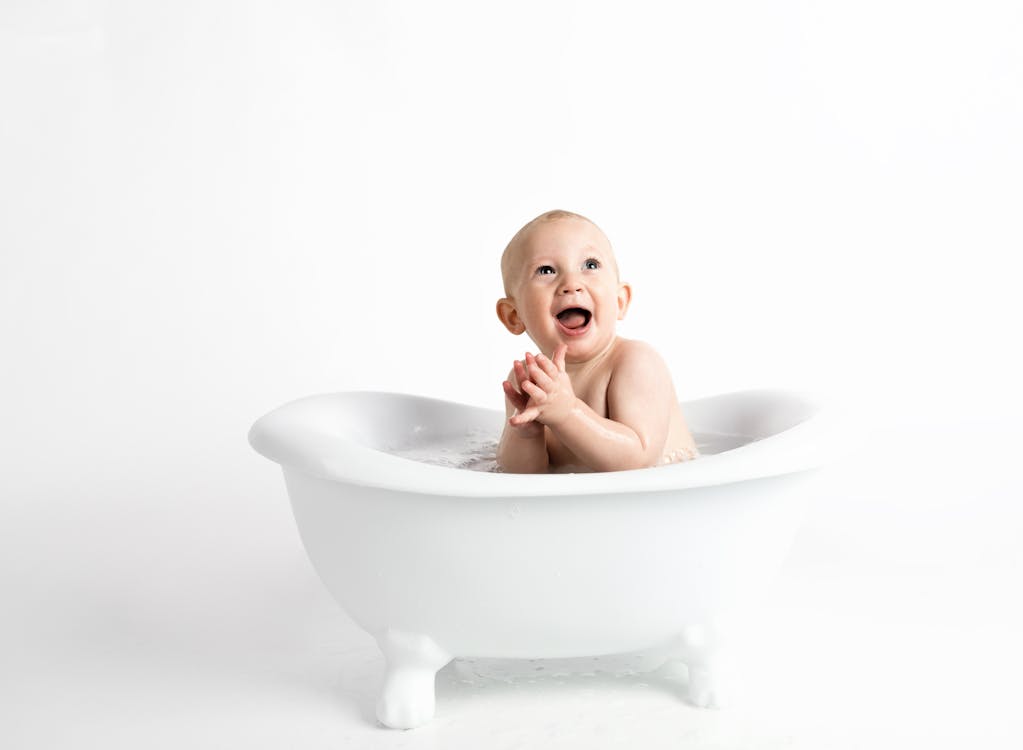
Bath time is one of those parenting milestones that can feel both exciting and nerve-wracking. Choosing the right baby bathtub makes a significant difference in how safe and enjoyable the experience is for you and your baby. As a pediatrician, I have guided hundreds of families through selecting the best bathing setup, and in this guide I will break down everything you need to know about baby bathtubs in 2026. For more essential gear, see our nursery essentials checklist and baby registry guide.
📌 Key Takeaway: According to the CDC, 60% of US babies receive some breast milk at 6 months, but only 25% are exclusively breastfed. This guide gives you evidence-based, practical guidance you can apply today. For a related deep dive, see our guide on best baby monitors guide.
Types of Baby Bathtubs
Not all baby bathtubs are created equal. The right choice depends on your baby’s age, your bathroom setup, and your lifestyle. Here is a breakdown of the most common types.
Infant Sling Tubs
Infant sling tubs feature a mesh or fabric sling suspended inside a hard plastic shell. The sling cradles your newborn in a semi-reclined position, keeping their head above water while allowing gentle washing.
- Best for: Newborns through approximately 4 months
- Pros: Secure positioning, frees up both hands, comfortable for baby
- Cons: Short usable lifespan, sling may need replacement
Convertible Tubs
Convertible tubs are the most popular option because they grow with your baby. They typically include a removable newborn insert or sling and convert to a toddler tub once your child can sit up independently.
- Best for: Newborns through 24 months or longer
- Pros: Extended use, cost-effective, versatile
- Cons: Larger footprint, heavier to move
Foldable Tubs
Foldable or collapsible tubs fold flat for storage, making them ideal for small bathrooms, apartments, or travel. Many modern foldable tubs include newborn inserts for versatility.
- Best for: Small spaces and travel
- Pros: Compact storage, lightweight, portable
- Cons: May feel less sturdy, smaller capacity
Inflatable Tubs
Inflatable baby tubs are soft, cushioned, and extremely portable. They are a great option for travel or as a secondary tub at a grandparent’s house.
- Best for: Travel, temporary use, older babies who can sit up
- Pros: Very affordable, extremely portable, soft surface
- Cons: Not suitable for newborns, can be punctured, harder to clean
Sink Inserts
Sink inserts are flower-shaped or contoured pads that fit inside your kitchen or bathroom sink, turning it into a baby bathing station. They offer the advantage of bathing your baby at counter height, saving your back.
- Best for: Newborns through approximately 6 months
- Pros: Ergonomic for parents, no bending over, soft cushion
- Cons: Limited by sink size, baby outgrows quickly
Newborn Sponge Baths vs. Tub Baths
Understanding when to transition from sponge baths to tub baths is essential for your newborn’s safety and health.
Sponge Baths (Birth to Umbilical Cord Stump Falling Off)
The American Academy of Pediatrics (AAP) recommends sponge baths until your baby’s umbilical cord stump falls off, which typically happens within one to three weeks after birth. For circumcised boys, sponge baths should continue until the circumcision site heals.
How to give a sponge bath:
- Lay your baby on a soft, flat surface with a towel underneath
- Keep your baby wrapped in a towel, exposing only the area you are washing
- Use a warm, damp washcloth with a small amount of gentle baby soap
- Clean from the cleanest areas to the dirtiest (face first, diaper area last)
- Pat dry thoroughly, paying attention to skin folds
Tub Baths (After Umbilical Cord Stump Falls Off)
Once the cord stump has fallen off and the area is healed, you can begin tub baths. Start with only one to two inches of warm water and always support your baby’s head and neck.
When to Transition to the Regular Tub
Most babies are ready to transition to the regular bathtub between 6 and 12 months, once they can sit up unassisted. When making this transition:
- Use a non-slip bath mat on the bottom of the tub
- Keep the water level low (no higher than waist-level when baby is seated)
- Consider a bath seat for added stability (but never rely on it as a safety device)
- Stay within arm’s reach at all times
Key Features to Look For
When shopping for a baby bathtub, prioritize these features:
Non-Slip Surface
A textured or rubberized bottom prevents your baby from sliding. This is the single most important safety feature in any baby bathtub. Look for tubs with a built-in non-slip surface or a contoured seat area that keeps baby in place.
Temperature Indicator
Some tubs include a built-in temperature indicator or color-changing drain plug that alerts you when the water is too hot. While not a substitute for testing the water yourself, it provides an extra layer of safety.
Drain Plug
A drain plug at the bottom of the tub makes emptying the water much easier than tipping the entire tub. Some drain plugs are color-coded to indicate water temperature.
Additional Features Worth Considering
- Contoured design: Supports baby’s body and prevents sliding
- Wide, stable base: Reduces tipping risk
- Smooth edges: No rough seams that could irritate baby’s skin
- Hook or loop for hanging: Allows the tub to dry between uses
- Built-in rinse cup holder: Keeps bathing supplies within reach
Bath Safety Rules Every Parent Must Follow
Bath safety is non-negotiable. Drowning is the leading cause of injury-related death in children ages one to four, and it can happen in as little as one inch of water in under 60 seconds.
The Golden Rules of Baby Bath Safety
- Never leave your baby unattended — not even for a second. If the doorbell rings or the phone rings, wrap your baby in a towel and take them with you.
- Check water temperature before placing baby in the tub. The ideal bath water temperature is 100 degrees Fahrenheit (37.8 degrees Celsius). Use your elbow or the inside of your wrist to test — it should feel warm, not hot.
- Keep water depth appropriate. For newborns and infants, two inches of water is sufficient. For older babies, water should not exceed waist level when seated.
- Set your home water heater to 120 degrees Fahrenheit (48.9 degrees Celsius) to prevent scalding.
- Gather all supplies before starting the bath. Towel, washcloth, soap, clean diaper, and clothes should all be within arm’s reach.
- Never use a bath seat as a safety device. Bath seats can tip over and are not a substitute for supervision.
- Empty the tub immediately after use. Do not leave standing water accessible to young children.
Bathing Frequency for Babies
One of the most common questions I hear from new parents is how often they should bathe their baby. The answer may surprise you.
- Newborns (0-3 months): Two to three times per week is sufficient. Overbathing can dry out delicate newborn skin.
- Infants (3-12 months): Three to four times per week, or as needed when they start eating solids and getting messier.
- Toddlers (12+ months): Daily baths may become necessary as activity levels increase, but every other day is still fine for many toddlers.
Between baths, focus on keeping the diaper area, face, hands, and neck folds clean with a warm washcloth.
Baby Bathtub Comparison Table
| Type | Age Range | Price Range | Portability | Storage | Best For |
|---|---|---|---|---|---|
| Infant Sling Tub | 0-4 months | $15-$30 | Low | Medium | Newborn security |
| Convertible Tub | 0-24 months | $20-$50 | Low | Large | Long-term value |
| Foldable Tub | 0-24 months | $25-$55 | High | Compact | Small spaces |
| Inflatable Tub | 6-24 months | $10-$25 | Very High | Very Compact | Travel |
| Sink Insert | 0-6 months | $15-$35 | High | Compact | Parent ergonomics |
Bath Accessories Worth Having
Hooded Towels
Hooded towels keep your baby warm immediately after the bath and are much easier to wrap around a wiggly baby than a standard towel. Look for towels made from bamboo or organic cotton for extra softness and absorbency.
Gentle Baby Soap
Choose a fragrance-free, hypoallergenic baby wash. The AAP recommends avoiding products with parabens, phthalates, and artificial fragrances. A combined hair and body wash simplifies bath time for younger babies.
Bath Thermometer
A dedicated bath thermometer takes the guesswork out of water temperature. Digital thermometers that float in the tub are particularly convenient.
Rinse Cup
A soft-rim rinse cup designed for babies makes rinsing shampoo much easier and helps keep water out of your baby’s eyes.
Bath Time Routine Tips
A consistent bath time routine can become a calming, bonding experience and even help with sleep. Here are my recommendations for making the most of bath time.
Establish a Consistent Time
Bathing at the same time each day helps your baby anticipate and feel comfortable with the routine. Many families find that an evening bath before bedtime works well as part of a wind-down routine.
Keep It Short
For newborns, five to ten minutes is plenty. As your baby grows and starts to enjoy playing in the water, baths can extend to 15 to 20 minutes.
Make It Fun (But Safe)
- Introduce age-appropriate bath toys after 6 months
- Sing songs or talk to your baby throughout the bath
- Let older babies splash and explore the water
- Use bath crayons or foam letters for toddlers
Follow a Predictable Sequence
- Undress baby and place gently in the tub
- Wash face first with plain water
- Shampoo hair (if needed)
- Wash body from top to bottom
- Rinse thoroughly
- Lift baby out and wrap in a hooded towel immediately
- Pat dry and apply moisturizer if needed
- Dress in pajamas
Create a Post-Bath Ritual
Following the bath with a consistent routine — such as lotion massage, pajamas, a book, and a lullaby — signals to your baby that sleep is coming and can significantly improve bedtime.
Frequently Asked Questions
What temperature should baby bath water be?
The ideal bath water temperature for babies is 100 degrees Fahrenheit (37.8 degrees Celsius). Always test the water with your elbow or the inside of your wrist before placing your baby in the tub. The water should feel comfortably warm but not hot. You can also use a bath thermometer for a precise reading.
When can I stop using a baby bathtub?
Most babies are ready to transition to the regular bathtub between 6 and 12 months of age, once they can sit up independently and steadily. When transitioning, use a non-slip mat in the tub and keep the water level low. Always stay within arm’s reach regardless of what type of tub you use.
How often should I bathe my newborn?
The American Academy of Pediatrics recommends bathing newborns two to three times per week. Bathing too frequently can strip the natural oils from your baby’s delicate skin, leading to dryness and irritation. Between baths, use a warm, damp washcloth to clean the face, neck folds, and diaper area daily.
Are inflatable baby bathtubs safe?
Inflatable baby bathtubs are generally safe for babies who can sit up unassisted, typically around 6 months of age. They are not recommended for newborns because they do not provide adequate head and neck support. As with any bathtub, never leave your baby unattended, and always follow the manufacturer’s age and weight guidelines.
Do I need a baby bathtub, or can I just use the sink?
You can bathe a small baby in a clean kitchen or bathroom sink, especially during the newborn stage. A sink insert or flower-shaped pad can make this safer and more comfortable. However, babies outgrow the sink quickly, and a dedicated baby bathtub provides better safety features like non-slip surfaces and contoured support.
💡 Related Resources: Expecting? Visit our sister site pregnancy.chparenting.com for week-by-week pregnancy guides, prenatal nutrition, and labor preparation.
References
- American Academy of Pediatrics - Bathing Your Baby
- Consumer Product Safety Commission (CPSC) - Baby Bath Safety
- American Academy of Pediatrics - Drowning Prevention
- Consumer Reports - Baby Bathtub Buying Guide
- AAP - Skin Care for Your Baby

Written by
Vega LinFounder & Editor — Mother of 2 (Taiwan)
Vega writes Baby Care Guide from the intersection of evidence-based research (AAP, CDC, WHO) and real parenting experience. Completing her Master's in Digital Innovation at Tunghai University. Read more →
Related articles


Planning baby #2? Visit our pregnancy guide.
Due date calculators, week-by-week tracking, weight gain guides, and expert articles for every trimester of your pregnancy journey.
Visit Pregnancy Guide →